Learn How a GC Can Boost Efficiency and Achieve Success in Your Building Endeavors
A GC is fundamental in the building sector. This expertise streamlines project management, leading to enhanced efficiency and successful outcomes. By coordinating communication among involved parties and using their connections with subcontractors, they help navigate the complexities of building endeavors. Knowledge of local codes also mitigates potential compliance issues. This brings up a key point: how do these factors come together to improve the building process?
The Role of a General Contractor
A GC manages the intricate operation of construction work, guaranteeing everything runs efficiently from beginning to end. They serve as the main point of contact, managing communication among various stakeholders, including owners, subcontractors, and suppliers. This role involves meticulous planning, scheduling, and budgeting to adhere to project schedules and budgetary limits.
The contractor supervises all building work, guaranteeing adherence with building codes, safety regulations, and quality standards. They are in charge of acquiring necessary permits and addressing any legal requirements associated with the project. In addition, they oversee the crew, giving jobs to skilled tradespeople while tracking productivity and productivity.
In addition to overseeing daily operations, the contractor resolves any problems or delays that arise, adjusting strategies as necessary to ensure timely completion. This comprehensive management is essential for lowering risk and guaranteeing the successful outcome of building endeavors.
Benefits of Employing a GC
Employing a GC yields several benefits that can vastly boost the efficiency and success of a construction job. One significant benefit is their expertise in managing complex projects, allowing for streamlined communication among various parties involved. This consolidation minimizes misunderstandings and reduces possible delays.
Furthermore, general contractors have existing connections with subcontractors and suppliers, guaranteeing prompt access to high-grade supplies and skilled labor. This approach often results in reduced expenses and more efficient timelines.
General contractors also offer a lot of expertise concerning local construction laws and rules, which prevents legal complications and expensive penalties.
Furthermore, engaging a GC lets clients prioritize their core business activities, instead of being burdened by routine management duties. Taken together, having a contractor involved can result in a better structured, streamlined, and successful building project, which ultimately results in a greater financial return.
Core Duties in Construction Oversight
Good project oversight copyrights on a number of core duties that a general contractor has to fulfill during the entire building phase. Central to this role is the establishment of a well-defined project scope, which specifies the goals, deadlines, and budgetary constraints. The general contractor coordinates with multiple groups, like architects, specialized contractors, and vendors, making sure communication is fluid and cooperation.
In addition, they manage resource distribution, controlling manpower and supplies to optimize efficiency. Risk assessment is another critical responsibility, as the contractor must identify potential issues and implement strategies to mitigate them. Consistent tracking of progress is essential; the contractor assesses finished work against project milestones, adjusting plans as necessary to maintain the timeline.
In addition, a general contractor guarantees compliance with safety rules and construction standards, promoting a secure job site. Through these responsibilities, they keep a detailed strategy for managing projects, ensuring positive outcomes in construction endeavors.
How General Contractors Ensure Timely Completion
Although scheduling difficulties are frequent in construction, general contractors use careful planning and active administration to ensure projects finish on schedule. They begin by developing detailed timelines that outline each phase of the project, covering major goals and completion dates. When separating the work into smaller tasks, they can allocate resources effectively and anticipate potential delays.
Regular progress monitoring is a further crucial step; general contractors assess project status compared to the set schedule, permitting changes when needed. They also practice risk assessment, spotting possible problems soon and devising contingency plans to mitigate disruptions.
Moreover, general contractors keep solid connections with subcontractors and suppliers, ensuring that materials and labor are available at the right time. This preemptive measure fosters accountability among all stakeholders, leading to a optimized work procedure. In the end, these methods result in greater effectiveness, minimizing the chance of schedule delays and making sure that jobs are concluded within the timeline.
Boosting Dialogue and Collaboration on Site

To improve dialogue and collaboration on construction sites, general contractors implement structured processes that streamline communication among all team members. Such procedures typically involve routine check-ins, clear channels for reporting issues, and the utilization of software that allow for real-time updates. By setting up a system for communication, contractors guarantee that all stakeholders—architects, subcontractors, and workers—agree upon project goals and timelines.
In addition, encouraging clarity allows issues to be resolved quickly, decreasing the possibility of misunderstandings that might cause holdups. They also solicit opinions from employees at every level, knowing that perspectives from jobsite staff can greatly enhance project effectiveness. By making communication a priority and collaboration, general contractors not only streamline operations but also enhance team morale, ultimately contributing to the success of construction endeavors. The result is a more cohesive work environment where challenges are met with collaborative resolution.
Commonly Asked Questions
Which Credentials Should I Seek in a General Contractor?
When seeking a general contractor, one should look for attributes such as licensing, insurance, experience in relevant projects, excellent recommendations, and good communication abilities. These elements significantly add to successful project execution and complete client happiness.
How Do General Contractors Handle Project Budgeting?
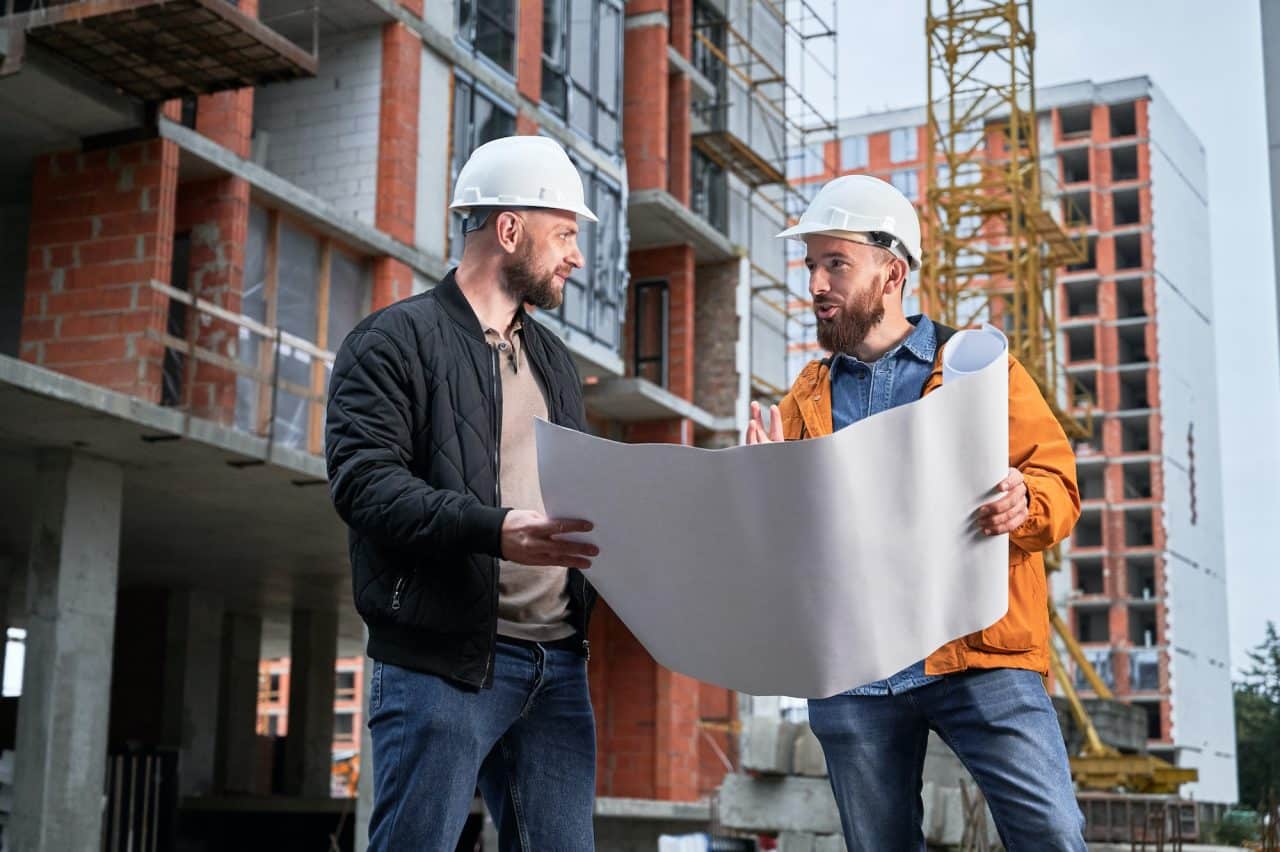
General contractors handle job finances by calculating expenses, collecting offers from vendors, tracking expenses throughout the project, and making budget changes as required. Hickory top rated Commercial General Contractor. They guarantee financial resources align with project requirements, optimizing effectiveness and reducing monetary exposure
Is a GC Able to Help With Permits and Regulations?
Certainly, a building contractor can aid in permits and regulations by providing direction on the difficult mandates, making certain local statutes are followed, and simplifying the paperwork, which speeds up the job's progress and lessening the chance of client postponements.
How Long Does It Usually Take for Selecting a GC?

The usual duration for hiring a general contractor spans a few weeks to several months, contingent upon the project's intricacy, contractor availability, and client decision-making processes, ensuring proper planning and that goals are aligned with construction. - Hickory top rated Commercial General Contractor
- Hickory top rated Commercial General Contractor
In What Ways Do General Contractors Effectively Handle Subcontractors?
General contractors manage subcontractors effectively by setting up clear lines view now of communication, setting defined expectations, regularly monitoring progress, and aligning timelines. The GC makes certain that everyone understands their responsibilities, promoting teamwork to adhere to the project timeline and quality standards.